South Africa has come a long way in the 32 years since holding its first democratic elections, achieving political and social transformation. However, for many small and medium enterprises (SMEs), this progress has not yet fully translated into meaningful economic inclusion. A persistent disconnect remains between gains of democracy formation post-1994 and the lived economic realities of many entrepreneurs, particularly those from historically disadvantaged groups.
Insights from the Business Partners Limited SME Confidence Index reflect this complexity. While SMEs acknowledge the efforts made by both government and the private sector to strengthen the SME ecosystem, more sustained action is still required.
Introduced in 2012, the SME Confidence Index shows that SME confidence that government is doing enough to foster SME development has improved from 26% in Q3 2012 to 49% in Q3 2025, signalling growing recognition of policy intent and intervention. SME confidence in the private sector has also strengthened, rising from 44% in Q3 2012 to 54% in Q3 2025, reflecting an expanding role for corporates, financiers and enterprise development initiatives in supporting SMEs.
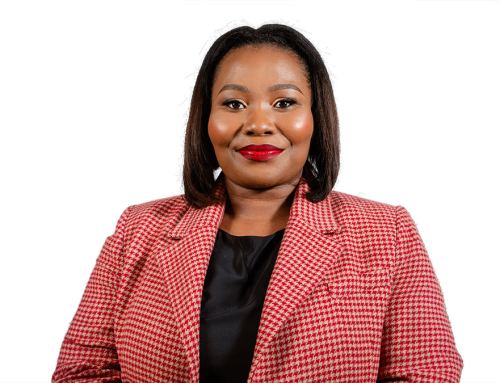
This is according to Gugu Mjadu, Executive General Manager: Marketing and Impact Investing at Business Partners Limited, who says local SMEs remain constrained by persistent structural barriers that limit their ability to participate fully in the economy. “SMEs play such a critical role in driving employment, innovation and local economic development, yet for many of these businesses, the freedom to grow is still not guaranteed. While confidence in initiatives introduced since the dawn of democracy is improving, it has yet to reach a level that reflects widespread economic inclusion.”
A key issue raised by Mjadu is that many small businesses remain excluded from traditional financing models. “Rigid lending criteria and standardised products do not always reflect the realities of SMEs, particularly those in the early stages of growth or operating in underserved markets. There is a definite need for more flexible, tailored funding solutions that align with the way small businesses actually operate.”
At the same time, market access remains a significant barrier. “It can be extremely difficult to break into established supply chains or secure procurement opportunities, particularly with larger corporates. Inefficiencies, and in some cases, corruption particularly in public sector procurement processes further exacerbate the barriers,” says Mjadu. “Without access to procurement networks, many SMEs remain stuck in survival mode, with no prospect of growth.”
While funding is often cited as the primary constraint, Mjadu notes that capital alone is not enough to unlock sustainable growth. “Access to finance is essential, but it is only one part of the equation. We need a more enabling environment that opens up opportunities for SMEs and supports them with opportunities, expert technical assistance and mentorship. Without this, even well-funded businesses can struggle to scale.”
While this has improved over the years, reducing administrative and regulatory burdens remains another important area to enhance. Complex compliance requirements can place a disproportionate strain on smaller businesses with limited capacity. Streamlining processes and reducing unnecessary red tape would free up time and resources for entrepreneurs to focus on growing their operations.
Mjadu emphasises that to address these challenges effectively, all stakeholders need to be not only on board, but actively aligned in a coordinated way. “Creating a truly enabling environment for SMEs requires collaboration between government, financiers and corporates to remove friction points and actively support small business participation in the economy.”
As South Africa reflects on the significance of Freedom Day, Mjadu hopes that the conversation can broaden to include small businesses. “True freedom should include the ability for entrepreneurs to start, sustain and grow or even scale businesses that create jobs and drive progress. Until more SMEs can do this successfully, our economic freedom remains incomplete,” Mjadu concludes.
About the Author: Gugu Mjadu