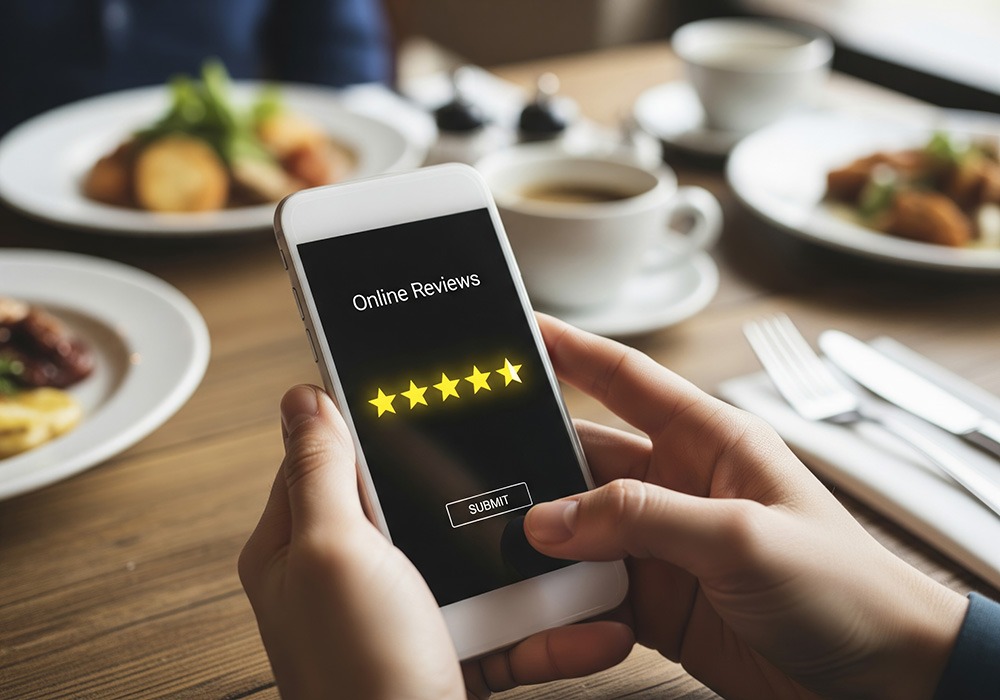
As we step into the festive season, it is a perfect time to reflect on what truly matters for small businesses. A strong business’ reputation has always mattered, but in today’s digital environment it can determine whether a potential customer commits or moves on to a competitor. Research consistently shows that consumers rely heavily on online information before committing to a purchase, and for small and medium enterprises (SMEs), this creates both opportunity and risk. A strong digital reputation can amplify your credibility far beyond your physical footprint, while a neglected one can quietly undermine years of hard work.
For South African entrepreneurs, this matters even more. Local consumers are price-conscious, cautious and selective, especially in tougher economic conditions. Many rely on online reviews, social media comments and search results to validate trust before spending their money. If what they find online is inaccurate, outdated, inconsistent or unflattering, it directly affects your ability to win business, even if you offer excellent products or services offline.
The starting point is understanding that your online reputation extends far beyond your own website or social media pages. It includes what customers say about you on platforms like Google, HelloPeter and Facebook, any articles or mentions in the media, the visibility of your business on search engines, and even the personal online behaviour of founders or staff linked to the brand. Managing this deliberately is not optional; it is a core part of modern business hygiene and the festive season is the best time to work on this at your leisure.
Begin by controlling what you can and ensuring that your business information is accurate and consistent across all platforms. Inconsistent information creates distrust and leads to customer frustration, so operating hours, addresses, product descriptions and contact details must all be aligned and up to date.
Next, secure your digital real estate. Register your business name across major platforms, even if you are not yet ready to use them actively. This prevents impersonation, protects your brand identity and makes future growth easier. Your website should also be updated regularly, with clear messaging, simple navigation and recent content. An outdated site gives the impression of an inactive or unreliable business.
Customer reviews are central to online reputation and must be managed actively. Encourage satisfied customers to leave reviews on Google or other relevant platforms – these endorsements carry significant weight, especially for small businesses. When negative reviews appear, respond professionally, promptly and constructively. A respectful response often strengthens trust more than the review itself, because it shows accountability, transparency and responsiveness. Avoid defensive language, and wherever possible, move detailed discussions offline.
Your social media presence should reflect the professionalism of your business. This does not mean posting constantly, but rather posting intentionally. Inconsistent or erratic posting, long periods of silence, or content unrelated to your business can all weaken credibility. Also, ensure personal profiles linked to the business maintain an appropriate level of professionalism, as customers often search for the people behind a company.
At the end of the day, remember that your online reputation is an extension of your real-world reputation. Digital tools just amplify what already exists. If service quality slips, if complaints are ignored, or if product standards fall, the online environment will expose this quickly. The best long-term reputation strategy remains simple: deliver consistently, communicate clearly, and treat every customer interaction – online or offline – as a chance to build trust.
About the Author: Jeremy Lang